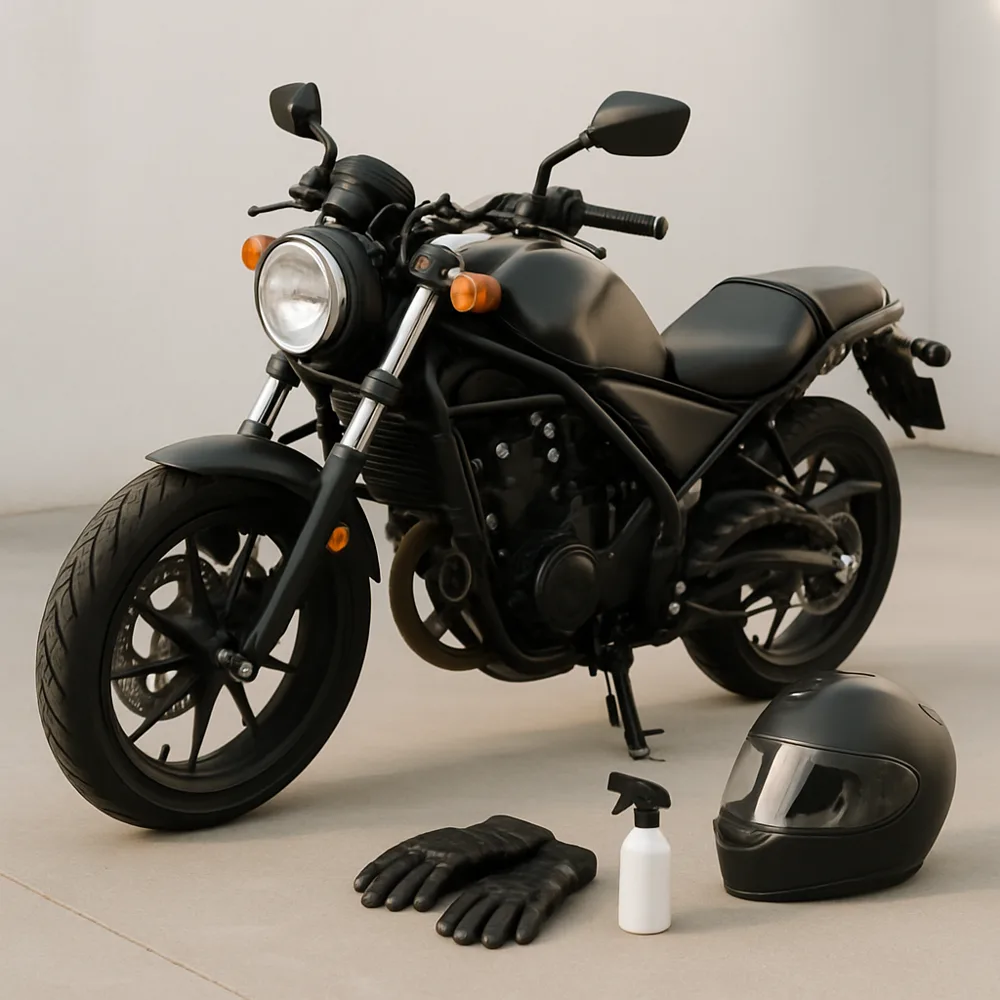
Begin a used-bike search with records and questions. Ask how the motorcycle was used, whether maintenance documentation is available, and if it has been stored for long periods. Check that the vehicle identification information matches the paperwork and follow local rules for ownership transfer. A tidy appearance is welcome, but it cannot prove that important service has been completed. Be cautious if the seller will not allow a reasonable inspection or gives inconsistent answers.
With the bike parked on level ground, look for leaks, damaged controls, loose bodywork, and signs of a fall or poor repair. Inspect tires for age-related deterioration, uneven wear, and adequate tread, then examine the chain or final drive according to the design. Check that lights, indicators, horn, and switches work. Start the engine only when the seller agrees and it is safe; listen for unusual sounds, observe the exhaust, and note warning lights. Do not touch hot components.
A short road test should happen only with permission, proper licensing, suitable insurance, and safe conditions. If you are not experienced at evaluating motorcycles, arrange a pre-purchase inspection with a qualified mechanic. Ask for an estimate of upcoming maintenance rather than focusing only on the asking price. A well-documented bike with ordinary wear may be a better choice than a polished machine with uncertain history. Walk away if anything feels rushed, unsafe, or unclear.