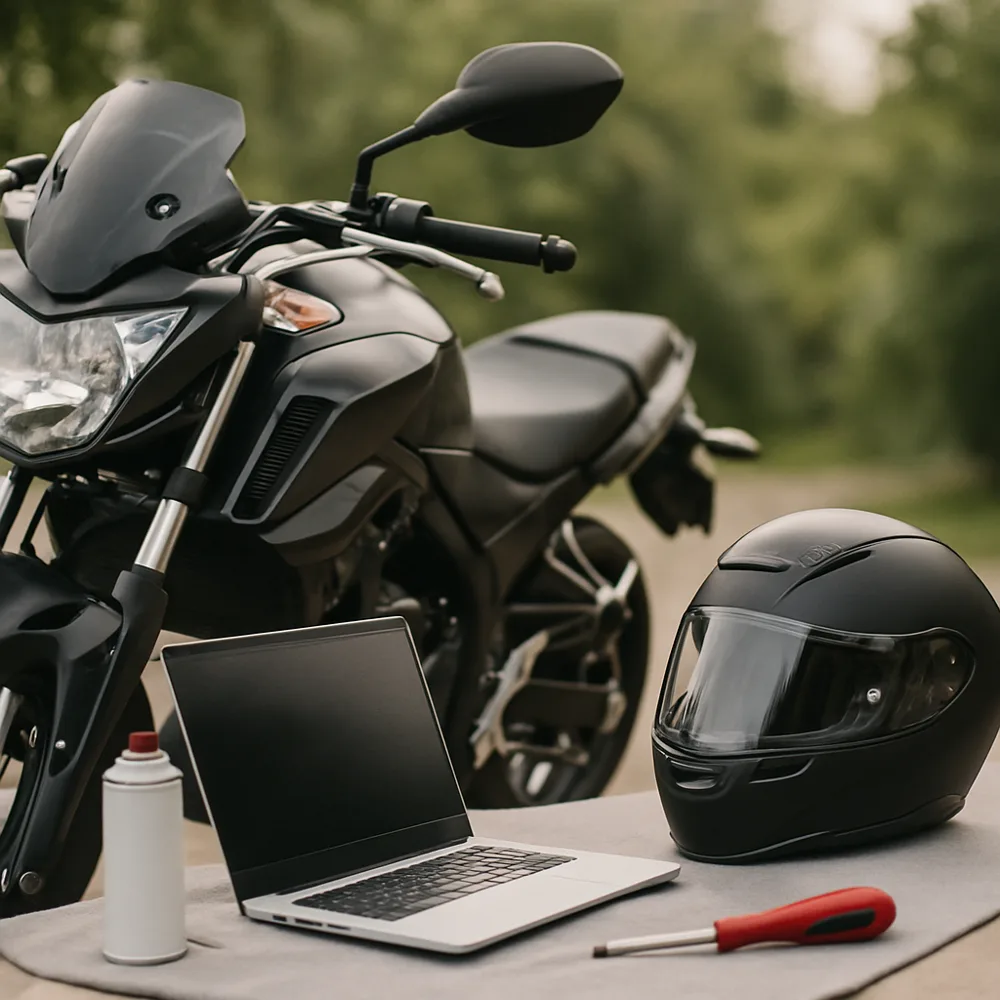
Motorcycle styles are useful starting points, not strict rules. Standard motorcycles typically place the rider in a fairly upright position, with foot controls below the body and handlebars within easy reach. That neutral posture can work well for commuting and varied routes. Cruisers usually have a lower seat and more relaxed-looking stance, though reach to the bars and forward foot controls differ considerably between models. Try the actual bike rather than judging by its category name.
Adventure-style motorcycles often offer generous suspension travel, an upright view, and room for luggage. Those features can be useful on rough pavement and longer trips, but a tall seat or high center of gravity may feel challenging at stops. Some bikes in this category are designed mainly for paved travel, while others are better suited to unpaved roads. Tires, ground clearance, weight, and the rider’s training all influence where a motorcycle is comfortable.
Consider your common roads, typical ride length, storage needs, and the effort required to maneuver the bike at low speed. Wind protection and passenger comfort are worth checking if you plan to travel together. A test ride, where available and appropriate, can reveal more than a comparison chart: pay attention to your posture, visibility, clutch feel, and confidence during slow turns. The best style is the one that fits your body, experience, and realistic riding plans.