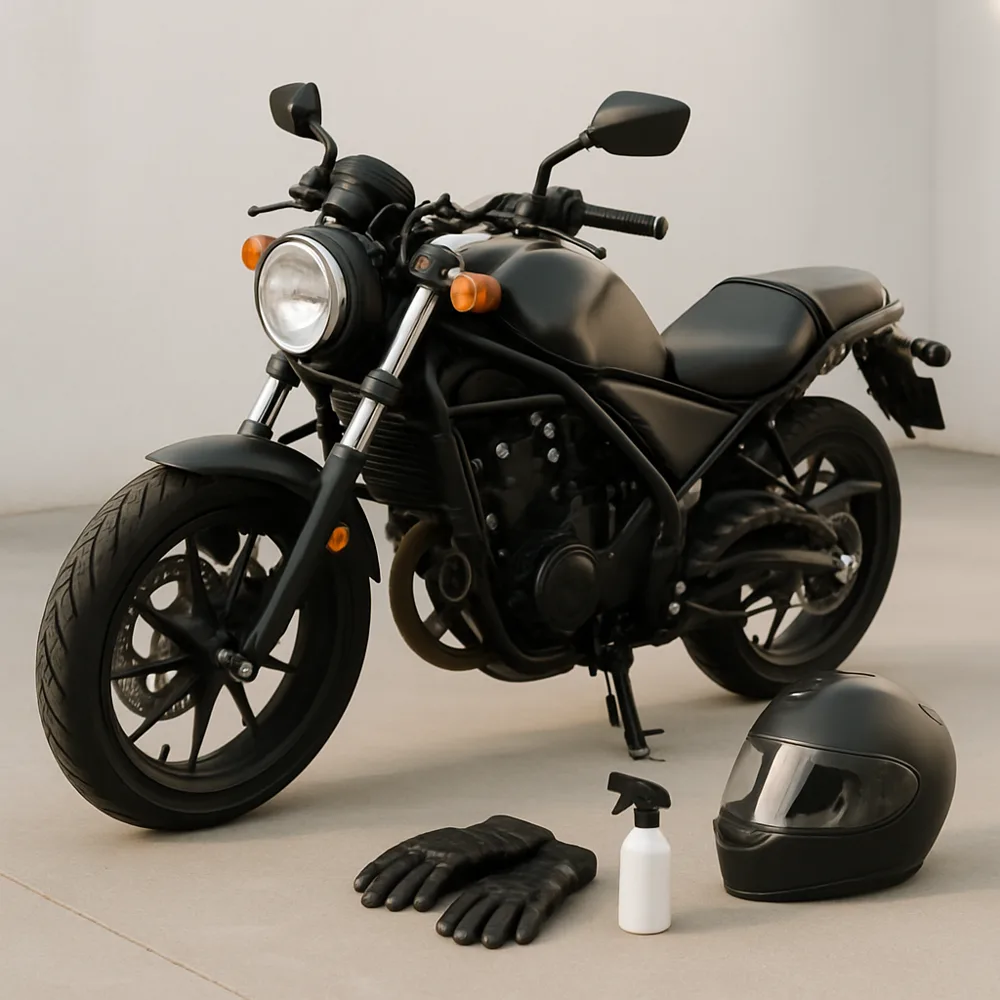
Low-speed control is useful in parking areas, traffic, and tight turns, but it is best learned away from public traffic. Find a flat, open, legal practice space and wear full protective equipment. Check that the motorcycle is mechanically sound before practicing, and ask a qualified instructor for coaching if you are uncertain. Begin with a familiar bike and simple straight-line starts, stops, and wide turns rather than attempting difficult maneuvers immediately.
Look where you want to go instead of fixating on the front wheel or an obstacle. Keep your upper body relaxed, use the controls smoothly, and allow the motorcycle to lean in a way that feels stable and controlled. The precise clutch, throttle, and rear-brake technique varies with the motorcycle and training method, so learn it from an instructor or trusted course. Avoid grabbing the front brake abruptly while turning slowly, and do not practice near curbs, vehicles, or pedestrians.
Make each exercise short enough to preserve concentration. Increase difficulty only when the previous step feels consistent, and stop if you become tense or tired. Repeating gentle turns in both directions can help reveal habits that need attention. Never treat a practice drill as a reason to test your limits in traffic. Formal training provides feedback that written advice cannot, and it can tailor exercises to your motorcycle and local conditions. Safe skill-building is gradual, deliberate, and focused on control rather than speed.