Motorcyclekings
How to Choose Your First Motorcycle
Explore
Path
Motorcycle Reviews
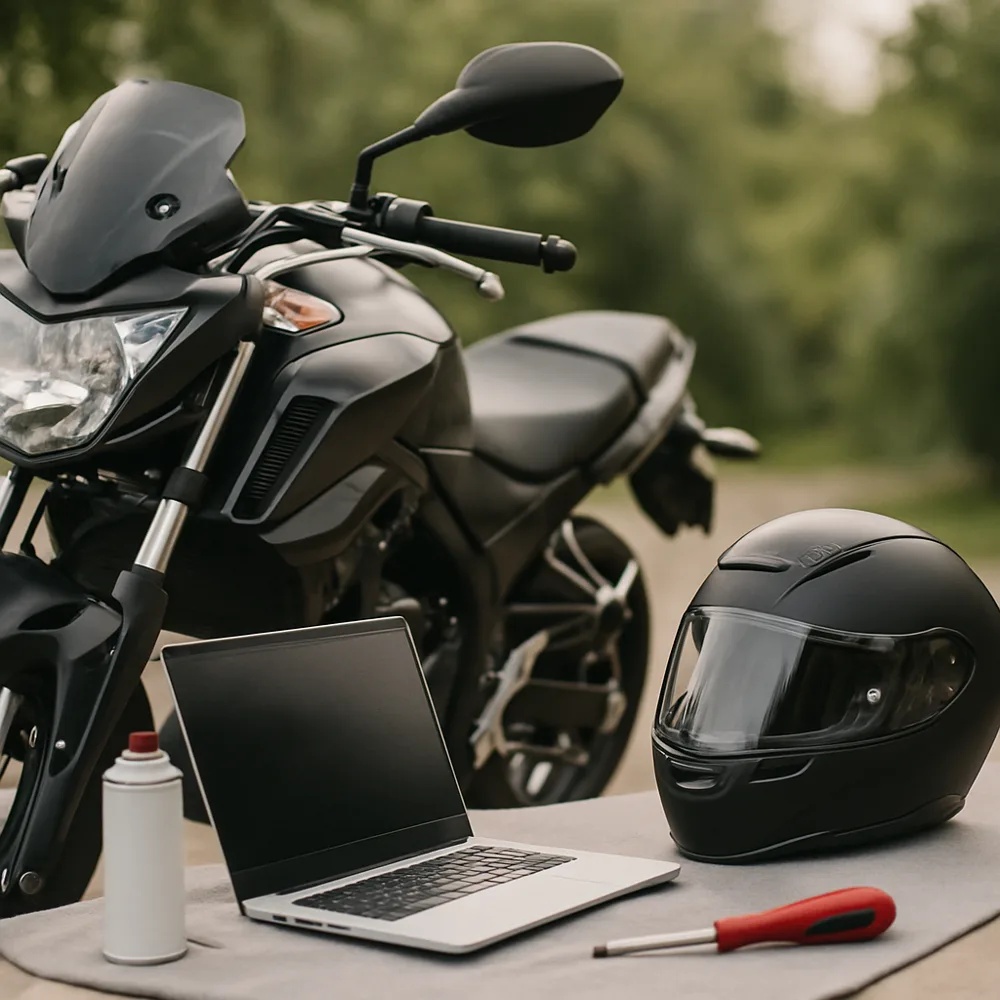
Practical impressions of motorcycles, focused on comfort, handling, everyday usability, an
Path
Riding Gear
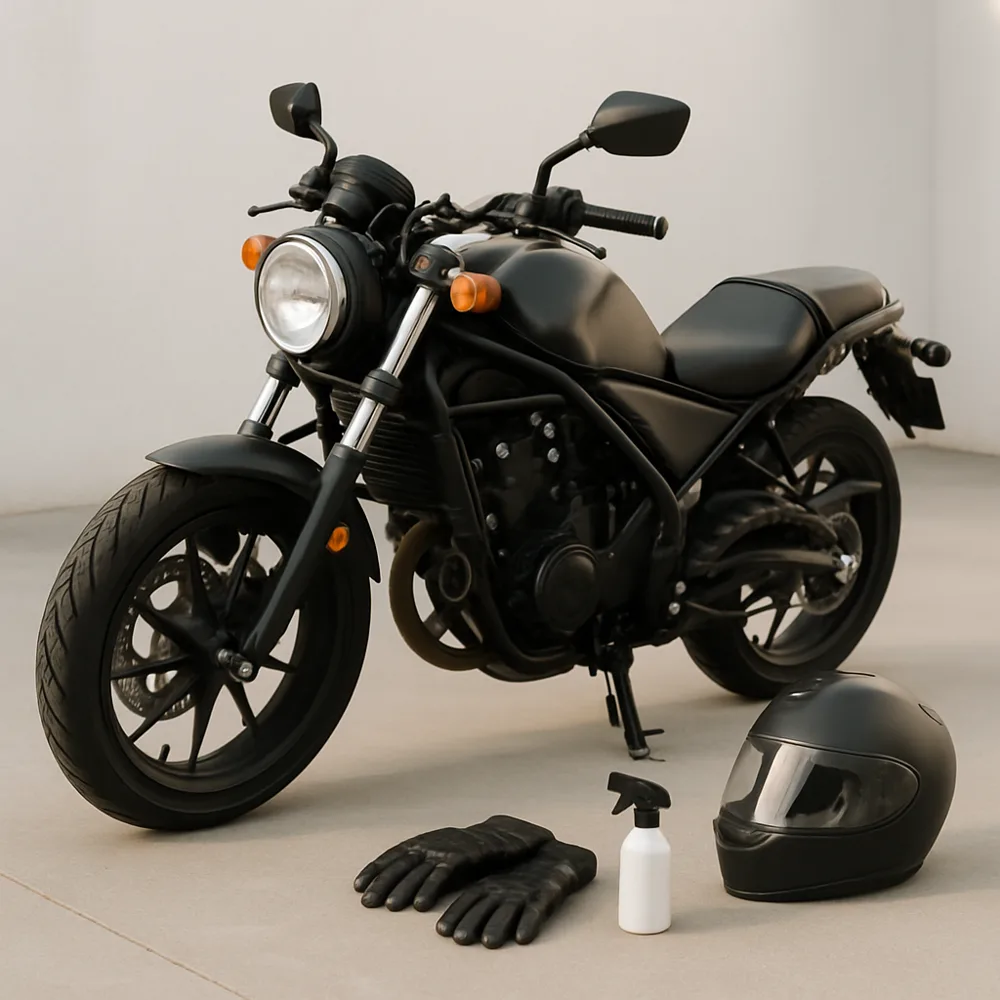
Straightforward guidance on helmets, jackets, gloves, boots, and layers for different ride
Path
Maintenance
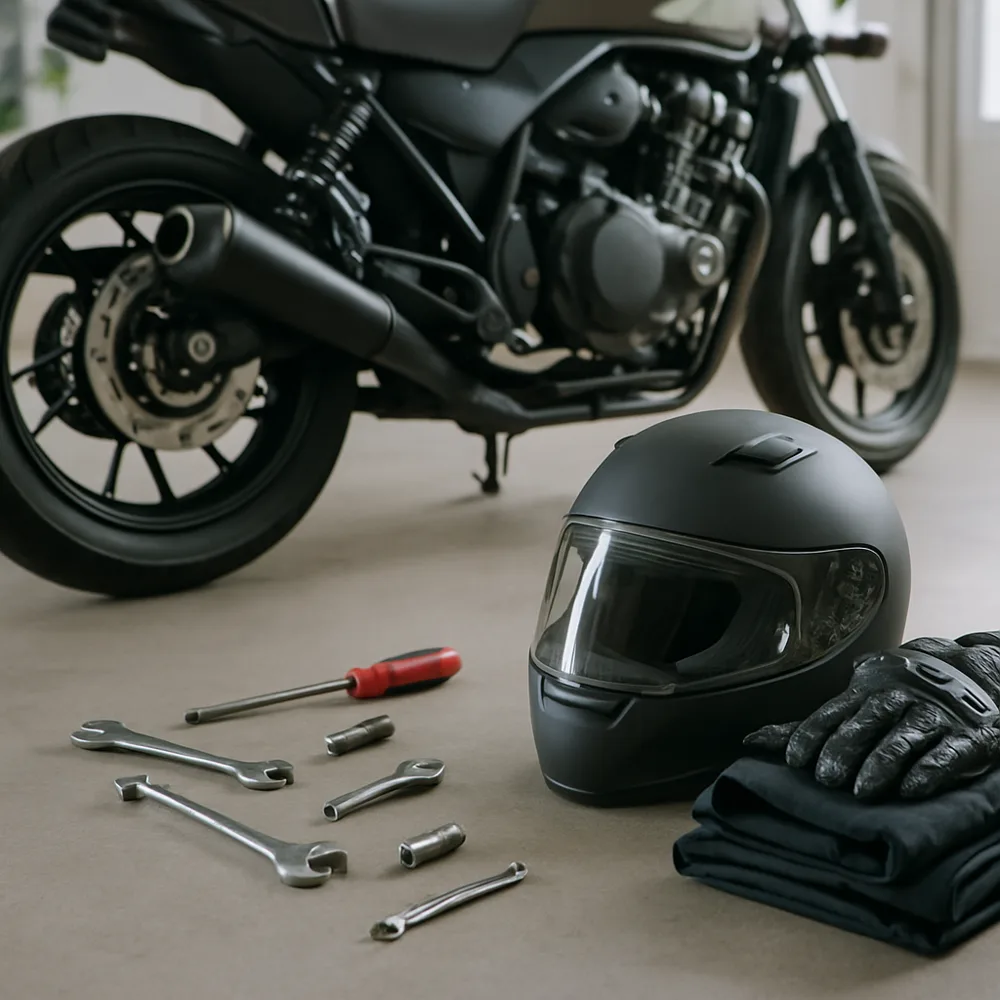
Clear routine-care guides to help riders inspect, clean, and maintain their motorcycles wi
Path
Riding Skills
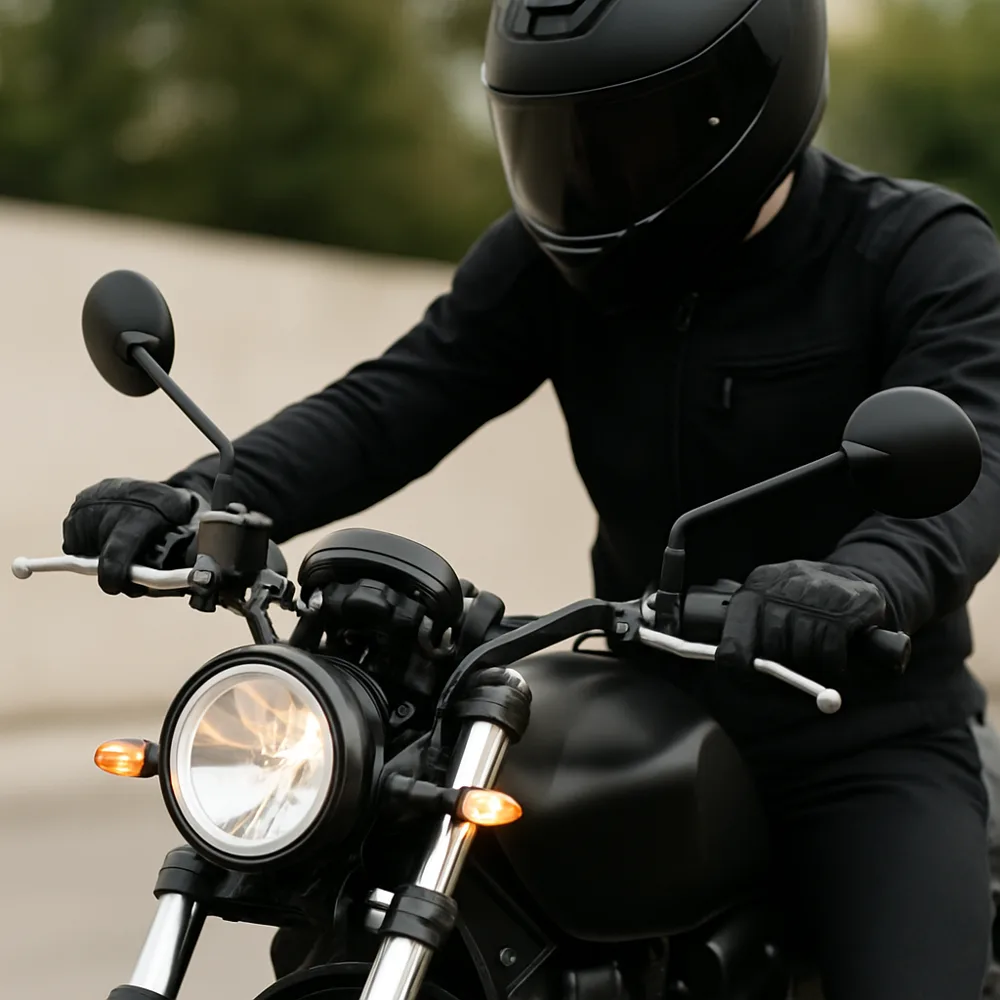
Approachable advice on preparation, road awareness, cornering, and building safer habits o
Latest
Today’s mix
- Riding in Rain: Preparation and Technique
- Improving Low-Speed Motorcycle Control
- Standard, Cruiser, or Adventure Bike?
- A Pre-Ride Motorcycle Safety Check
- Motorcycle Fuel Economy: Riding Habits That Help
- How to Choose Your First Motorcycle
- Motorcycle Brakes: What Riders Should Inspect
- What to Look for in a Used Motorcycle
- How to Layer for Changing Riding Weather
Nearby places
All places
Finding the Right First Bike for You
Choosing a first motorcycle is less about picking the most exciting machine and more about finding one that lets you build skill without fighting the bike. A good beginner motorcycle is predictable, forgiving and comfortable enough that you actually want to ride it often, because time in the saddle is what turns a nervous novice into a confident rider.
Start with fit and weight
Before looking at engine size, sit on the bike. You should be able to reach the ground comfortably with at least the balls of both feet, hold the bars without stretching, and work the controls easily. Weight matters just as much as seat height. A lighter bike is easier to push around a car park, pick up after a tip-over and control at walking pace, which is where many new riders feel least sure of themselves.
Choose manageable power
Small and mid-sized engines with smooth, linear power delivery suit most beginners. They are responsive enough for main roads but won't punish a clumsy throttle hand. Check your local licensing rules too, as many countries restrict new riders to certain power outputs or engine sizes.
Match the style to your riding
Think honestly about where you will ride. Commuting, weekend country lanes and gravel tracks each favour different designs. Our comparison of standard, cruiser and adventure bikes explains the trade-offs in comfort, handling and practicality.
Consider buying used
A well-maintained second-hand bike is often the smartest first purchase. It costs less, depreciates slowly and won't hurt as much if it gets a scratch while you learn. Use our guide on what to look for in a used motorcycle to inspect chains, tyres, brakes and service history, then take a structured test ride with our test ride checklist.
Finally, budget beyond the bike itself. Insurance, a properly fitted helmet, protective gear and rider training all belong in your first-year costs, and they do more for your safety and enjoyment than any upgrade.